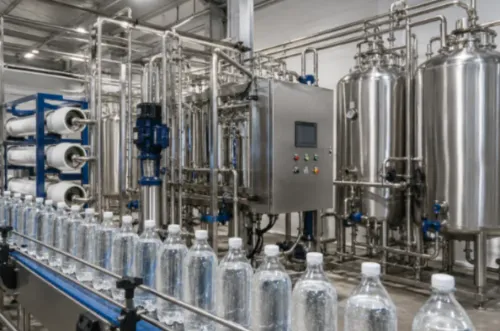

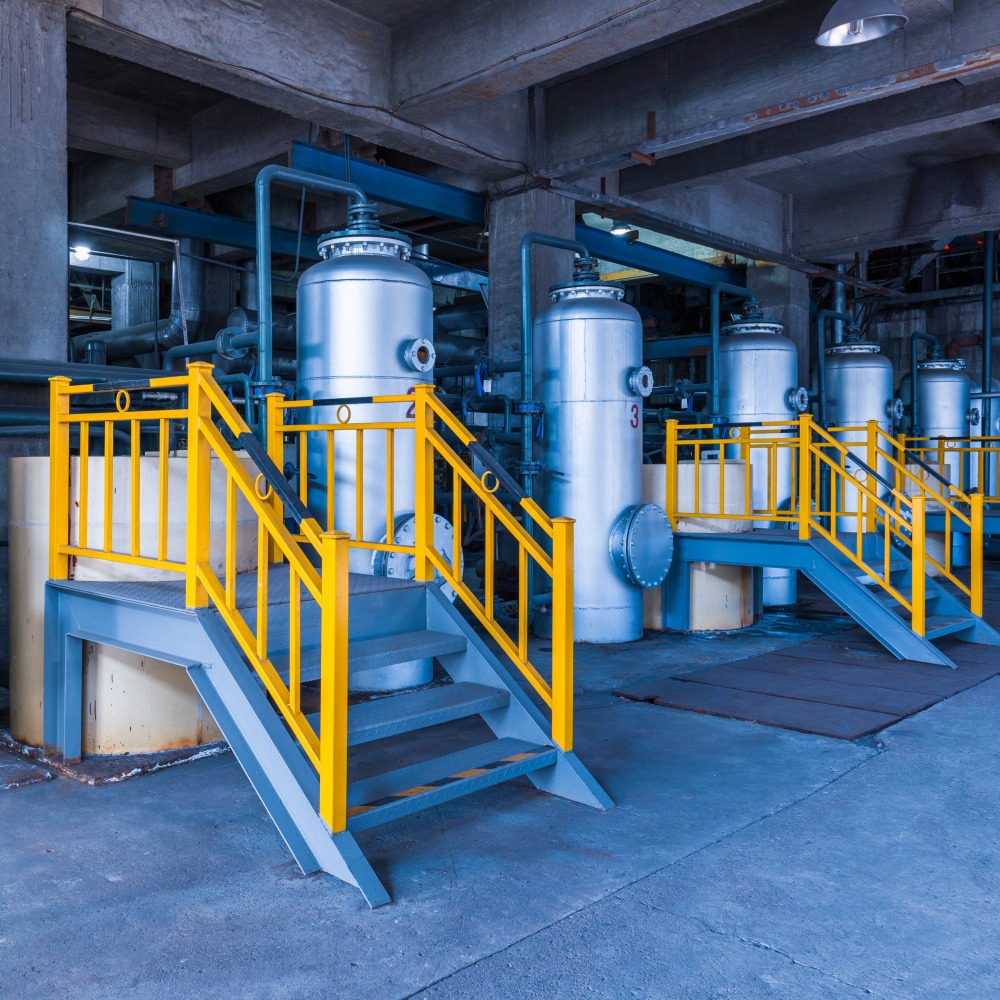
A demineralisation plant is used when an industrial process requires the removal of dissolved ionic impurities from water. The technology is commonly associated with boiler feed, laboratories, pharmaceutical operations, chemical manufacturing, surface treatment, and other applications requiring controlled conductivity.
Comparing a DM Plant Manufacturer involves more than reviewing litres-per-hour capacity. Industrial buyers in Nagpur should evaluate whether the proposed system can consistently produce the required quality under actual site conditions.
Begin With the Required Output Specification
“DM water” is not a complete technical specification. Different processes may require different limits for conductivity, silica, hardness, or other parameters.
Before requesting quotations, define:
- Intended application
- Required treated-water quality
- Average and peak consumption
- Operating hours
- Source-water analysis
- Maximum acceptable downtime
- Storage requirements
- Final polishing needs
Without these details, suppliers may quote systems that appear similar but differ substantially in performance and operating cost.
Understand the Proposed Process
A conventional DM system may use cation and anion exchange vessels. Depending on the required quality, the arrangement may also include a degasser, mixed-bed unit, pretreatment, or RO before demineralisation.
Buyers should ask why each stage has been recommended. The explanation should connect directly to source-water characteristics and output requirements.
Relevant questions include:
- Is pretreatment included?
- What is the expected treated-water quality?
- How frequently will regeneration be required?
- What quantity of chemicals will be consumed?
- Is a mixed-bed polisher necessary?
- How will quality be monitored?
- What happens if feed-water quality changes?
Compare Capacity on a Cycle Basis
Hourly flow is important, but ion-exchange systems also have a finite operating cycle before regeneration. Buyers should review both flow capacity and the total quantity of water expected between regenerations.
A plant with an adequate flow rate but a short cycle may require frequent shutdowns and chemical handling. Conversely, oversizing the resin volume can increase capital cost without providing a meaningful operational advantage.
The supplier should explain the expected cycle length based on the available water analysis.
Review Material and Component Selection
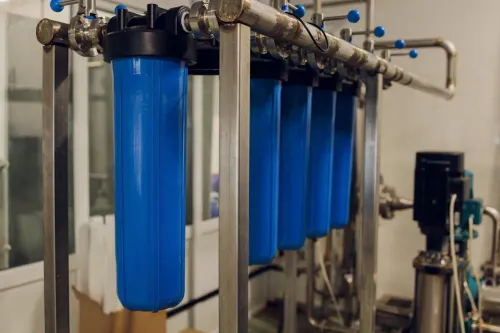
The choice of vessels, piping, valves, pumps, instruments, and resin affects reliability and maintainability. Material compatibility is particularly important because regeneration may involve acid and alkali chemicals.
A technical comparison should examine:
- Vessel construction
- Internal distribution arrangement
- Valve type
- Chemical-resistant piping
- Pump suitability
- Conductivity instrumentation
- Safety provisions
- Control-panel design
- Availability of replacement parts
Component specifications should be documented clearly rather than left as general descriptions.
Examine Chemical Handling and Safety
DM plants require responsible chemical storage, dilution, dosing, and regeneration procedures. The installation area should have appropriate ventilation, drainage, protective arrangements, and operator access.
Automation can reduce manual intervention, but it does not remove the need for trained personnel. Operators should understand regeneration sequences, rinsing requirements, testing procedures, and emergency precautions.
Assess Operating Cost and Support
Initial price is only one part of the evaluation. Compare the estimated consumption of regenerants, rinse water, electricity, replacement resin, and routine service.
Also clarify:
- Commissioning scope
- Operator training
- Documentation
- Warranty coverage
- Response process for faults
- Consumable availability
- Post-installation service
- Performance-verification method
Orenus Water Age Technology supplies water-treatment systems for industrial users in Nagpur and can assess DM plant requirements against source water and process demand. A credible proposal should make the reasoning behind the design understandable to the procurement and engineering teams.
The most suitable manufacturer is one that defines performance transparently, plans safe operation, and supports the system beyond installation.