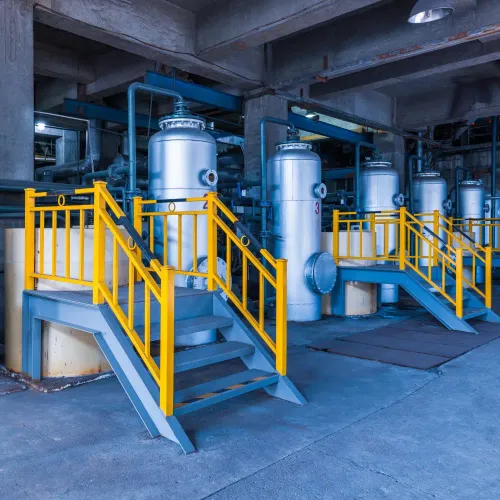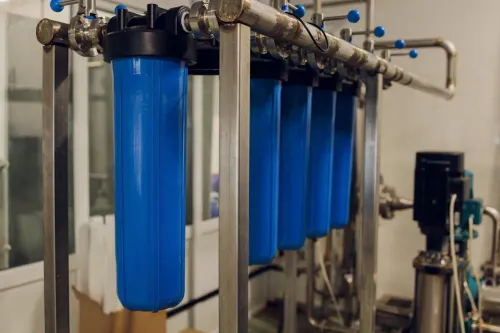

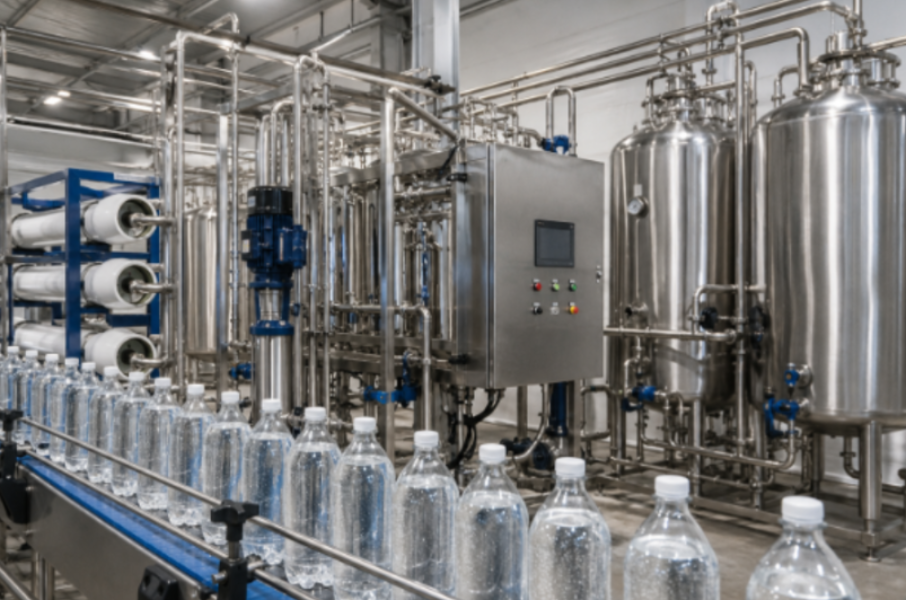
Establishing a soda-water production unit requires coordinated planning across water treatment, carbonation, filling, hygiene, utilities, packaging, and production flow. Buying separate machines without confirming their compatibility can create bottlenecks and inconsistent output.
Entrepreneurs and commercial buyers evaluating a Soda Water Plant Manufacturer in Nagpur should begin with the proposed product range and production target. These decisions influence nearly every part of the plant.
Define the Product Before Comparing Machinery
“Soda water” may refer to plain carbonated water or products requiring different processing and filling arrangements. Bottle material, bottle size, closure type, carbonation level, and expected shelf conditions all affect equipment selection.
The project brief should identify:
- Planned bottle sizes
- Expected bottles per hour
- Number of production shifts
- Plain or flavoured product range
- Packaging format
- Distribution area
- Available factory space
- Expansion plans
Clear specifications allow suppliers to propose a connected production line rather than a collection of independently rated machines.
Water Treatment Is the Foundation
Carbonation does not correct poor-quality water. The raw water must be tested so that appropriate filtration, purification, and disinfection stages can be selected.
Depending on the analysis, treatment may include:
- Sand or multimedia filtration
- Activated carbon treatment
- Water softening
- Micron filtration
- Reverse osmosis
- UV treatment
- Ozonation
- Hygienic treated-water storage
The final treatment arrangement should be determined according to product requirements and applicable standards.
Carbonation Requires Controlled Conditions
Carbon dioxide dissolves more effectively in appropriately cooled water. Temperature, pressure, contact conditions, and equipment control influence carbonation consistency.
The production arrangement may therefore include water cooling, a carbonation unit, pressure controls, and suitable product-contact components. Buyers should ask how the proposed system maintains repeatable carbonation as production speed changes.
Unstable pressure or temperature can lead to inconsistent product characteristics, excessive foaming, filling loss, and production interruptions.
The Filling Line Must Match the Output Goal
The rated capacity of one machine does not define the output of the entire line. Washing, filling, capping, labelling, coding, and packing stages must operate at compatible speeds.
A useful comparison should review:
- Practical line output
- Changeover requirements
- Bottle-handling method
- Cleaning accessibility
- Product-contact materials
- Operator requirement
- Power and compressed-air demand
- Availability of wear parts
The slowest process frequently determines actual production capacity.
Factory Layout Matters
A logical layout supports hygienic movement from water treatment to filling and finished-product handling. Raw materials, empty containers, filled bottles, rejected products, and personnel should not move through the area without planning.
For sites in Nagpur, the design should also consider ambient temperature, drainage, ventilation, utility availability, and access for equipment installation. Adequate space around machinery makes cleaning and maintenance easier.
Look Beyond the Purchase Price
A low machinery quotation may exclude important items such as tanks, conveyors, piping, electrical integration, installation, commissioning, or operator training. Buyers should request a clear scope of supply.
Orenus Water Age Technology supports water-treatment and beverage-plant planning for businesses in Nagpur. When evaluating a proposal, procurement teams should confirm what is included, what must be arranged separately, and what output assumptions were used.
A reliable soda-water plant is created when water treatment, cooling, carbonation, and packaging operate as one coordinated process. Careful evaluation at the design stage can prevent avoidable modifications after machinery reaches the site.