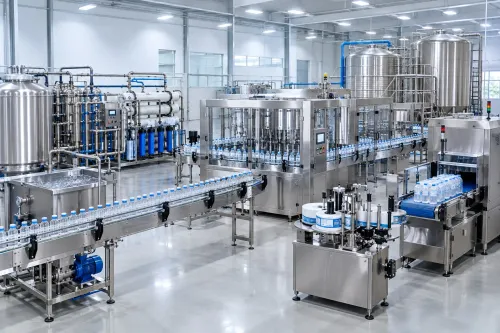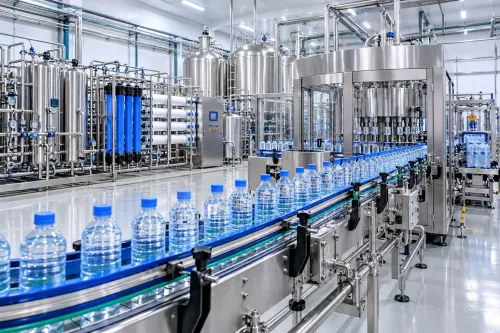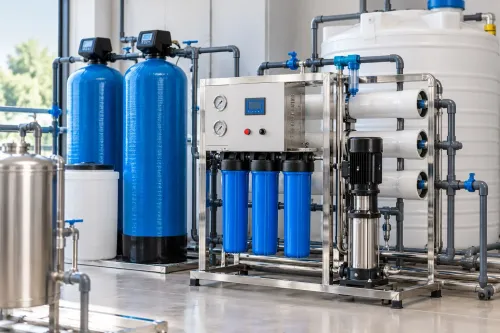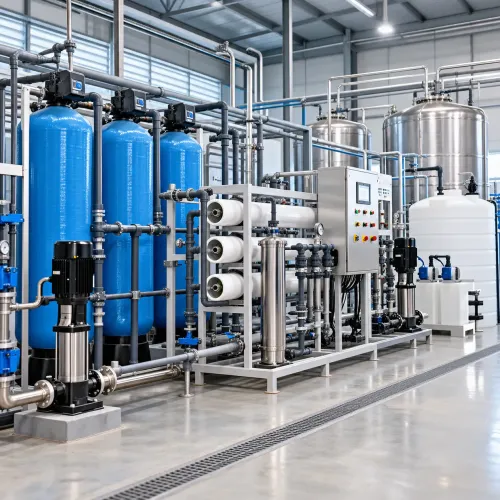
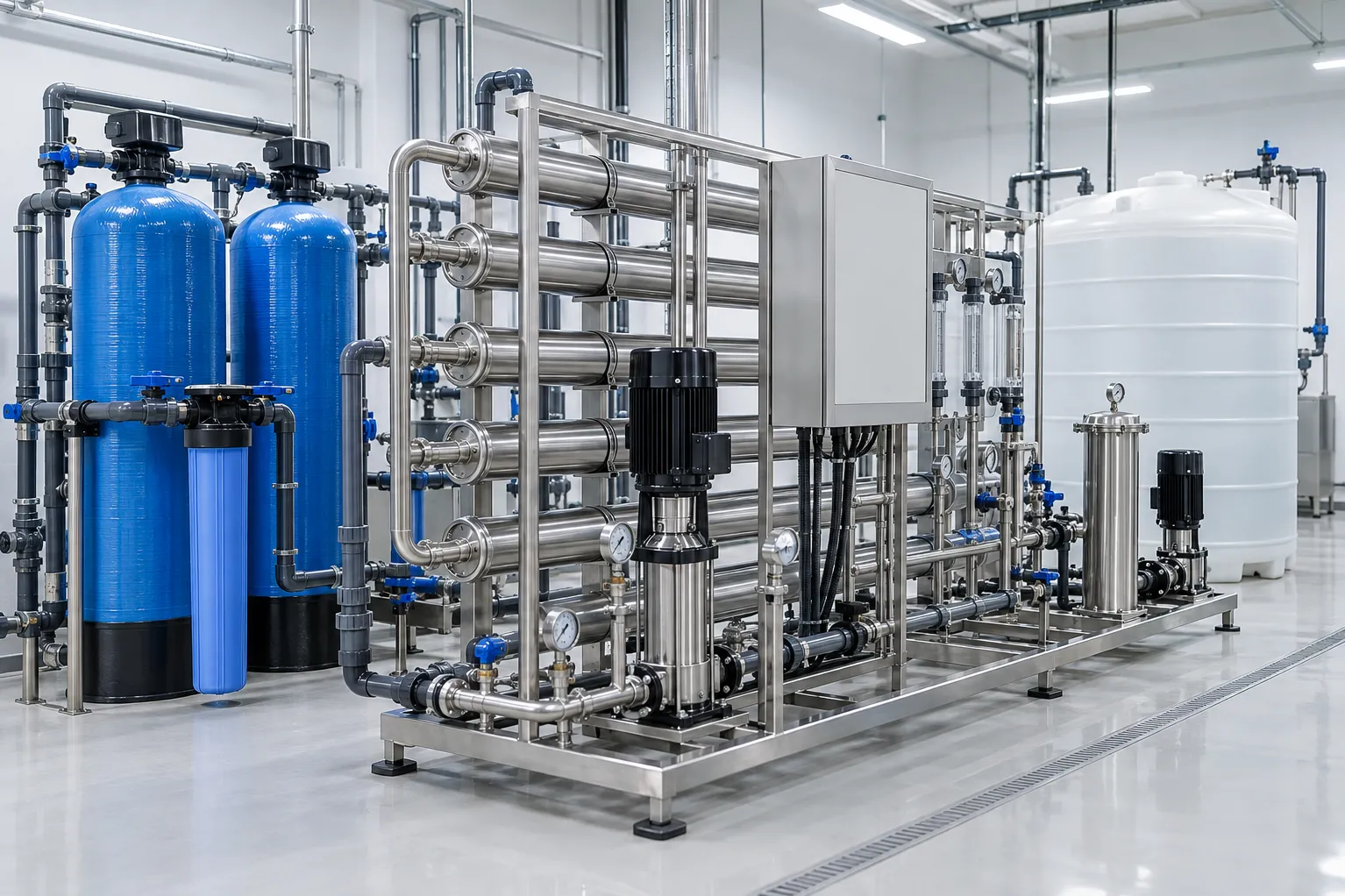
Restaurants, hospitals, hotels, offices, educational institutions, shopping facilities, hostels, and commercial kitchens often require more treated water than a household purifier can reasonably supply. A commercial RO plant is designed to manage this higher demand with larger pumps, membranes, filters, tanks, and controls.
Working with a Commercial RO Water Plant Manufacturer becomes relevant when a property needs dependable daily production rather than occasional purified water. In Nagpur, the correct system must also account for local source-water conditions, seasonal demand, available space, and maintenance capability.
Commercial RO Is Not Simply a Larger Domestic Purifier
Although both systems may use reverse osmosis, commercial plants are planned around operating hours, flow rates, storage needs, and repeated usage.
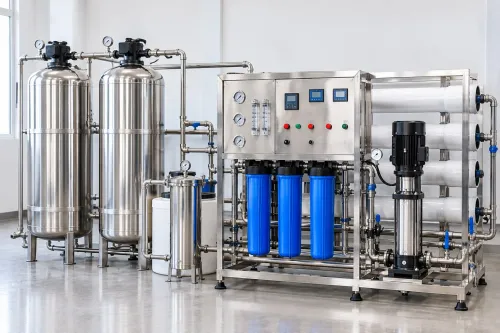
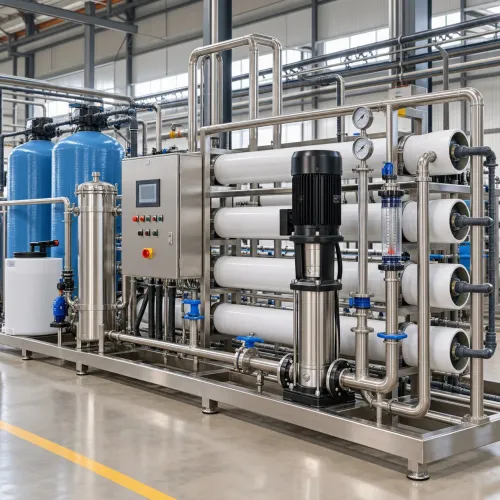
A commercial installation generally includes:
- Feed-water pump
- Sand or multimedia filtration
- Activated carbon filtration
- Water softening or antiscalant dosing when required
- Micron cartridge filtration
- High-pressure pump
- RO membrane housings
- Treated-water storage
- Control panel
- Quality-monitoring instruments
Additional stages may be recommended according to the source water and intended use.
Common Commercial Applications
A commercial RO plant may supply water for drinking, food preparation, equipment use, cleaning applications, or another defined purpose. Treatment requirements should be matched to that purpose rather than assumed.
Typical users include:
- Hotels and lodging properties
- Restaurants and cloud kitchens
- Schools and colleges
- Hospitals and clinics
- Corporate offices
- Hostels and residential facilities
- Retail complexes
- Community halls
- Commercial laundries
- Small production units
A restaurant may experience sharp demand during meal preparation, while a hostel may have morning and evening peaks. These consumption patterns influence storage and production planning.
Capacity Depends on More Than Headcount
Headcount is a useful starting point, but it is not enough to determine plant capacity. A proper assessment should calculate total daily consumption and the maximum quantity needed during high-demand periods.
The assessment should examine:
- Drinking-water demand
- Kitchen or process consumption
- Daily operating hours
- Expected peak periods
- Raw-water availability
- Existing storage capacity
- Treated-water distribution
- Planned property expansion
If the system is too small, it may need to operate continuously and still fail to meet peak demand. If it is unnecessarily large, capital costs, storage requirements, and operating complexity can increase.
Recovery and Reject Water Need Attention
An RO plant divides the feed water into treated water and reject water. The ratio depends on source-water quality, treatment design, operating pressure, and membrane condition.
Commercial properties should plan where reject water will go. Subject to its quality and local suitability, it may be considered for certain non-potable uses such as floor cleaning, gardening, or flushing. It should not be reused for an unsuitable purpose without proper assessment.
Responsible planning can reduce avoidable water wastage and drainage problems.
Water Quality Must Be Monitored
Clear-looking water is not proof of treatment performance. Commercial operators should monitor relevant water-quality parameters and arrange laboratory testing at appropriate intervals.
A maintenance programme may include:
- Recording inlet and product-water readings
- Monitoring pressure changes
- Replacing prefilters
- Backwashing filtration vessels
- Checking chemical dosing
- Cleaning or replacing membranes
- Sanitising storage tanks
- Inspecting pumps and control components
Records help operators understand whether performance is stable or gradually declining.
Design for the Property, Not the Catalogue
Equipment should fit the actual site. The plant area needs drainage, ventilation, electrical safety, access for servicing, and enough space to remove membranes or replace media.
Orenus Water Age Technology assesses commercial water requirements in Nagpur before recommending treatment configurations. This approach helps align plant capacity with water quality, property operations, and expected usage.
A well-planned commercial RO water plant supports reliable supply, manageable maintenance, and more predictable operating costs. The strongest results come from treating it as part of the property’s essential infrastructure rather than as a standalone appliance.
Keywords