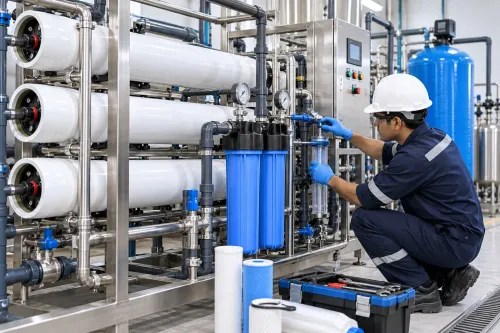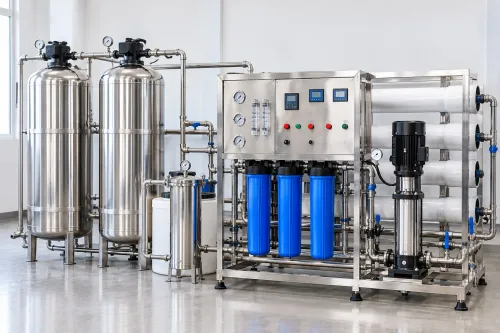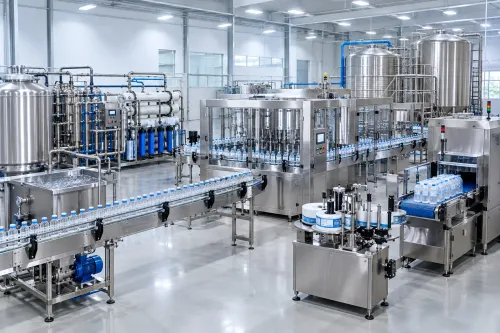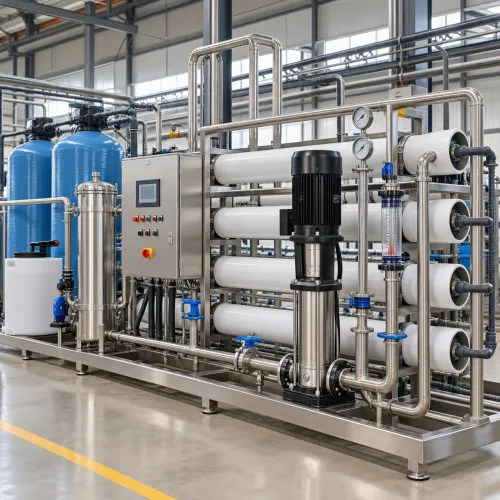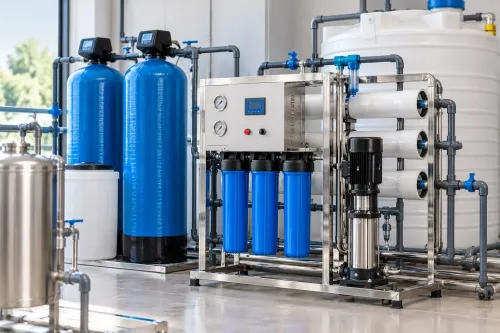
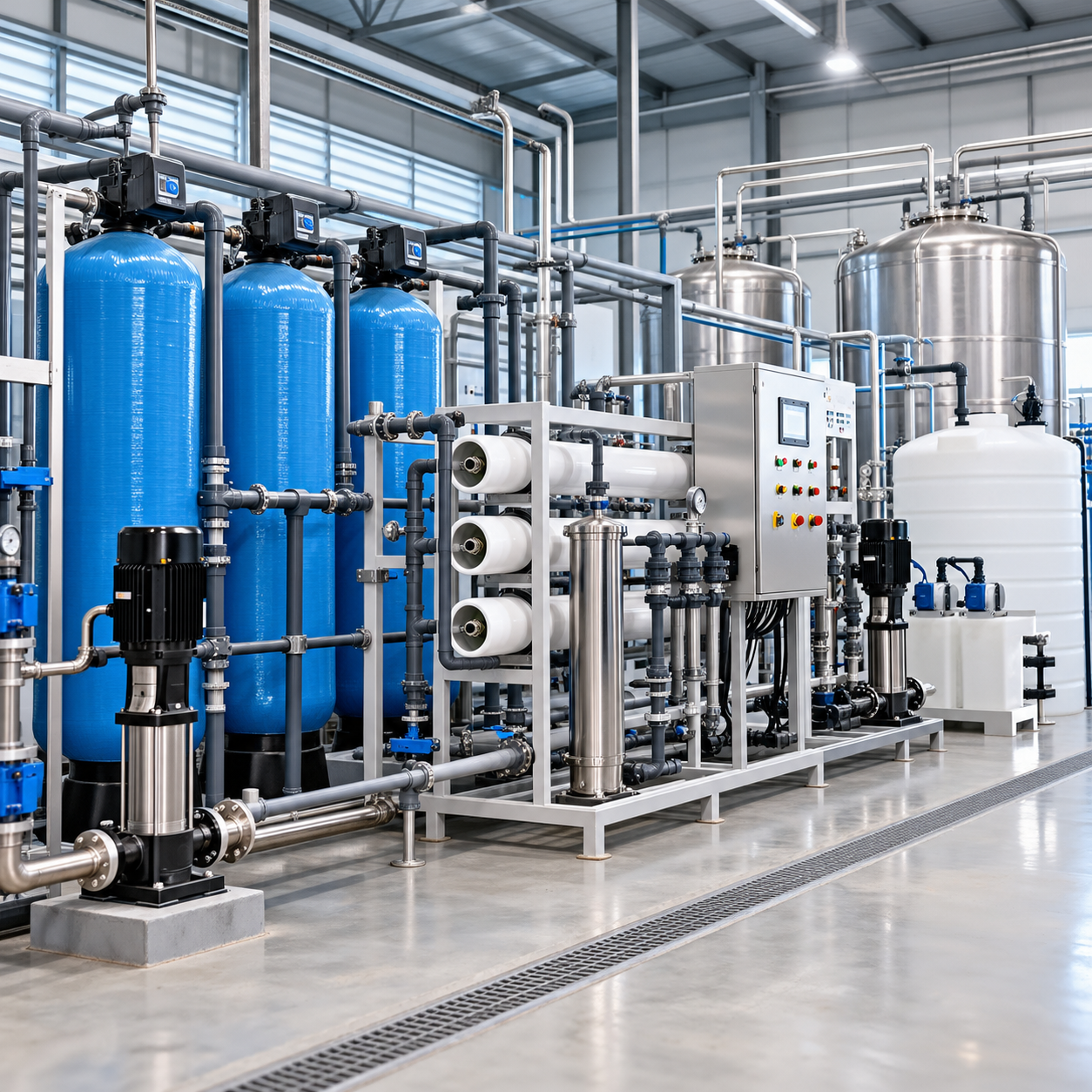
A complete water plant may combine raw-water handling, treatment, storage, filling or distribution, electrical controls, piping, installation, and operator training. Coordinating these elements individually can be difficult for entrepreneurs and procurement teams without dedicated water-treatment engineering resources.
Complete Water Plant Turnkey Solutions are intended to create one coordinated system from project definition through commissioning. In Nagpur, this approach can support packaged-water businesses, commercial facilities, institutions, and industrial users with defined water-quality requirements.
When Does a Turnkey Solution Make Sense?
A turnkey model may be practical when:
- The buyer is establishing a new water business
- Several treatment technologies must be integrated
- Packaging equipment must match treatment output
- Internal engineering resources are limited
- A fixed implementation sequence is required
- Site utilities need coordinated planning
- One party must manage system integration
- Operator training is part of the requirement
It can also be useful for existing facilities that are expanding or replacing an outdated plant.
Readiness Starts With a Clear Project Brief
Before requesting a final quotation, the buyer should be able to explain the proposed application, source water, output goal, working hours, site status, and preferred commissioning schedule.
For a commercial water business, the brief should also include packaging formats, expected sales volume, and distribution plans. For an industrial project, it should define the process served by the treated water and the required quality limits.
A provider cannot responsibly design a complete plant from a capacity figure alone.
What Should a Complete Proposal Include?
A detailed proposal should identify:
- Treatment-process description
- Major equipment and capacities
- Materials of construction
- Instrumentation
- Automation level
- Tank requirements
- Utility consumption
- Installation scope
- Site work exclusions
- Expected output quality
- Commissioning procedure
- Training and documentation
- Warranty and service conditions
Where packaging is involved, the proposal should also explain washing, filling, capping, conveying, and handling capacities.
Evaluate Integration Experience
Individual machines may perform correctly but still create an inefficient plant if their capacities or controls are poorly coordinated. Buyers should ask how the provider will integrate pumps, tanks, level controls, treatment stages, filling equipment, and safety interlocks.
The plant layout should support a logical workflow while leaving sufficient access for filter replacement, membrane removal, tank cleaning, and equipment servicing.
Check Financial Readiness Beyond Machinery
A project budget should include more than the equipment price. Depending on the scope, buyers may need to account for:
- Site acquisition or rent
- Civil modifications
- Electrical infrastructure
- Raw and finished-product storage
- Laboratory arrangements
- Packaging inventory
- Delivery vehicles
- Staffing
- Approvals and professional services
- Initial consumables
- Working capital
Understanding these costs before ordering helps prevent an installed plant from remaining idle due to incomplete business preparation.
Verify Operational Readiness
A facility is not ready merely because installation is complete. It also needs trained operators, cleaning procedures, maintenance schedules, testing arrangements, consumable stock, and escalation contacts.
Orenus Water Age Technology develops integrated water-treatment solutions for entrepreneurs and industrial buyers in Nagpur. The company’s role can be evaluated through the clarity of its engineering, scope documentation, installation planning, and commissioning support.
The right turnkey partner should help the buyer understand the system rather than make the project seem effortless. Water plants require disciplined operation after handover, and that responsibility should be discussed openly during planning.
A complete solution succeeds when equipment, site, utilities, people, quality controls, and commercial objectives are ready at the same time. That coordination is the real value of a turnkey approach.
Keywords