A mineral or treated-water production project involves far more than purchasing an RO machine. Water analysis, treatment design, filling capacity, packaging, utilities, hygiene, compliance planning, and operating costs all influence whether the unit can function reliably.
Entrepreneurs comparing a Mineral Water Plant Manufacturer in Nagpur can avoid expensive corrections by recognising common evaluation mistakes before placing an order.
Mistake 1: Choosing Capacity Without a Sales Plan
A larger plant may appear more profitable, but production capacity should reflect realistic distribution potential. Unsold stock, underused machinery, and unnecessary utility consumption can strain a new operation.
Estimate demand using:
- Proposed service area
- Retail and institutional channels
- Package sizes
- Seasonal variation
- Distributor capability
- Daily production shifts
- Storage space
- Delivery capacity
Machinery output should support the business model instead of being selected independently from it.
Mistake 2: Skipping Source-Water Testing
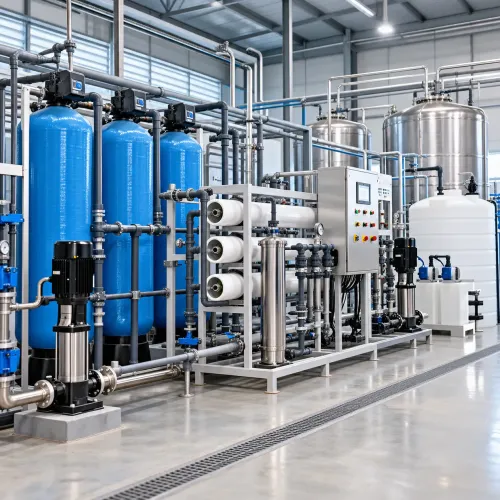
Water quality determines the treatment stages, recovery rate, cleaning schedule, and operating cost. A generic treatment line may struggle if the source contains high hardness, dissolved solids, iron, silica, or variable contamination.
Representative testing should take place before the final process design. Where multiple sources may be used, each source should be considered.
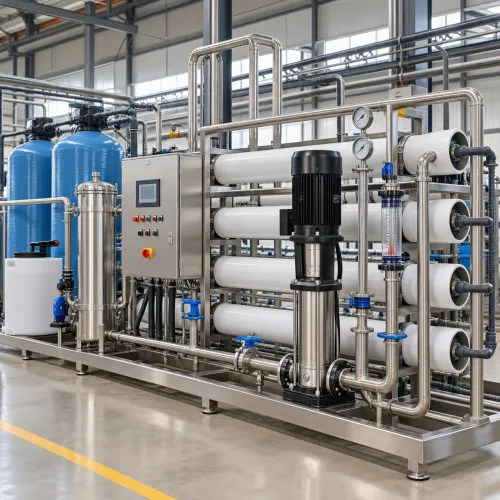
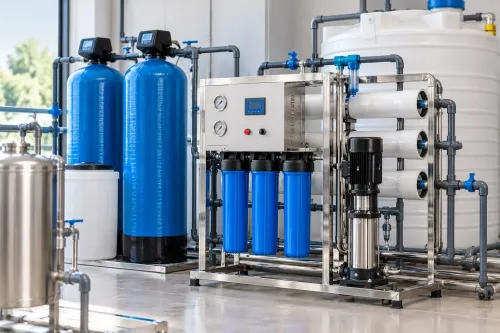
Mistake 3: Comparing Only the RO System
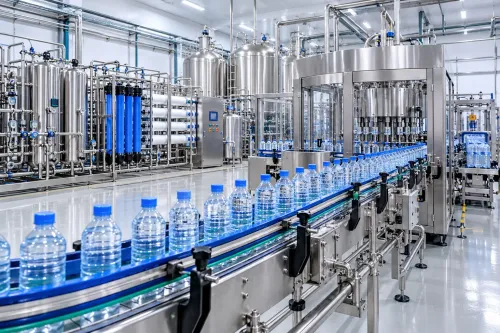
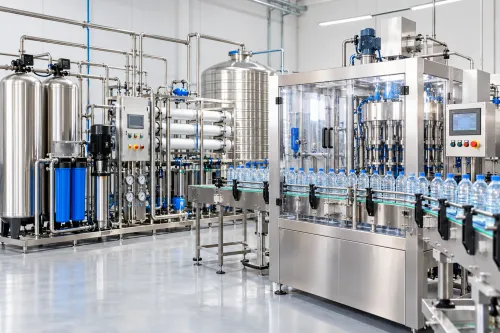
The water-treatment section is only one part of the facility. Production may also require treated-water tanks, disinfection, bottle or jar washing, filling, capping, labelling, coding, conveyors, and packing arrangements.
A quotation should clearly explain the boundary of supply. Otherwise, a seemingly economical offer can become expensive once omitted equipment and installation work are added.
Mistake 4: Ignoring Line Balancing
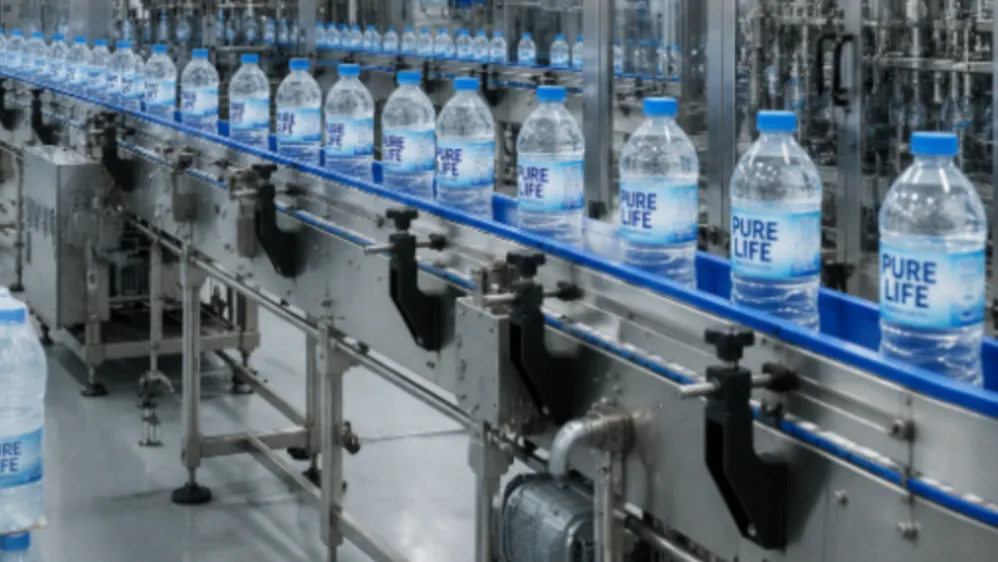
Manufacturers may state different capacities for individual machines. If the treatment plant produces water faster than the filling section can package it, the additional capacity may remain unused. If the filler is faster than the treatment and storage arrangement, production may repeatedly stop.
Buyers should ask for the expected practical output of the complete line under normal operating conditions.
Mistake 5: Underestimating Hygiene Requirements
Product quality depends on hygienic design and disciplined operation. Tanks, pipelines, filling surfaces, and container-contact areas should be accessible for cleaning.
A suitable plan should address:
- Cleaning and sanitation procedures
- Product-contact materials
- Closed transfer where appropriate
- Bottle or jar washing
- Drainage
- Pest-control considerations
- Personnel movement
- Quality-testing arrangements
Hygiene cannot be added effectively as an afterthought.
Mistake 6: Overlooking Utilities
The plant may require electrical load, compressed air, drainage, raw-water storage, treated-water storage, ventilation, and sufficient working space. Failing to confirm these requirements can delay installation or require costly site changes.
Businesses in and around Nagpur should also consider the reliability of incoming water and electricity when planning production schedules and storage.
Mistake 7: Treating Service as Optional
Filters, membranes, pumps, valves, instruments, and filling components will require maintenance. Buyers should clarify the availability of consumables, replacement parts, troubleshooting support, and operator training.
Orenus Water Age Technology works with project owners to align treatment and plant equipment with local site conditions and intended output. A transparent technical discussion before purchase is more valuable than relying only on catalogue descriptions.
The strongest proposal is not always the one with the lowest initial quotation. It is the one that defines the process, output, inclusions, operating responsibilities, and support requirements clearly enough for the buyer to understand the complete investment.
Keywords