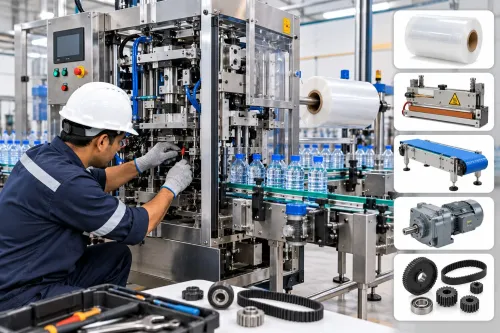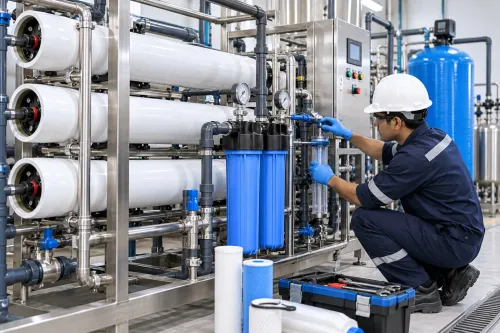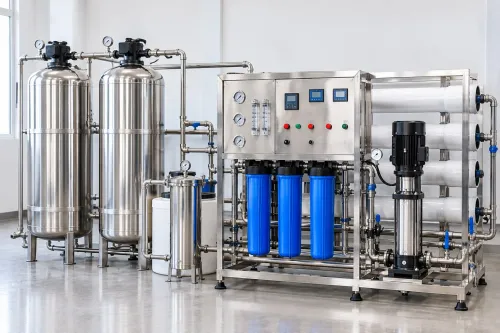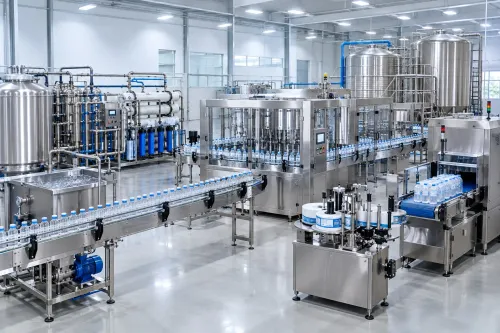
Starting a packaged drinking water business requires much more than purchasing equipment. A successful Packaged Drinking Water Plant Setup depends on careful planning, regulatory compliance, appropriate technology, and selecting the right manufacturing partner. Entrepreneurs, investors, and business owners who understand these factors are better positioned to build an efficient and scalable operation.
With increasing demand for safe drinking water in Nagpur and across Maharashtra, packaged drinking water continues to present promising business opportunities for new and expanding enterprises.
Understanding the Scope of a Packaged Drinking Water Plant
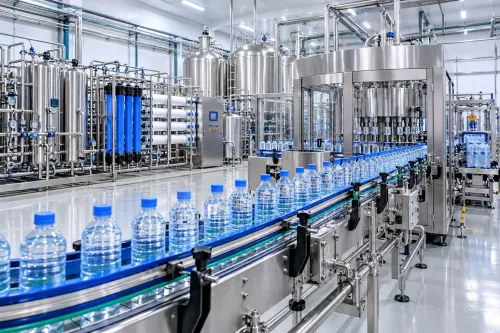
A packaged drinking water plant purifies raw water through multiple treatment stages before filling, sealing, and packaging it for commercial distribution. Depending on the business model, the plant may produce bottled water, jars, pouches, or customized packaging for institutional and retail customers.
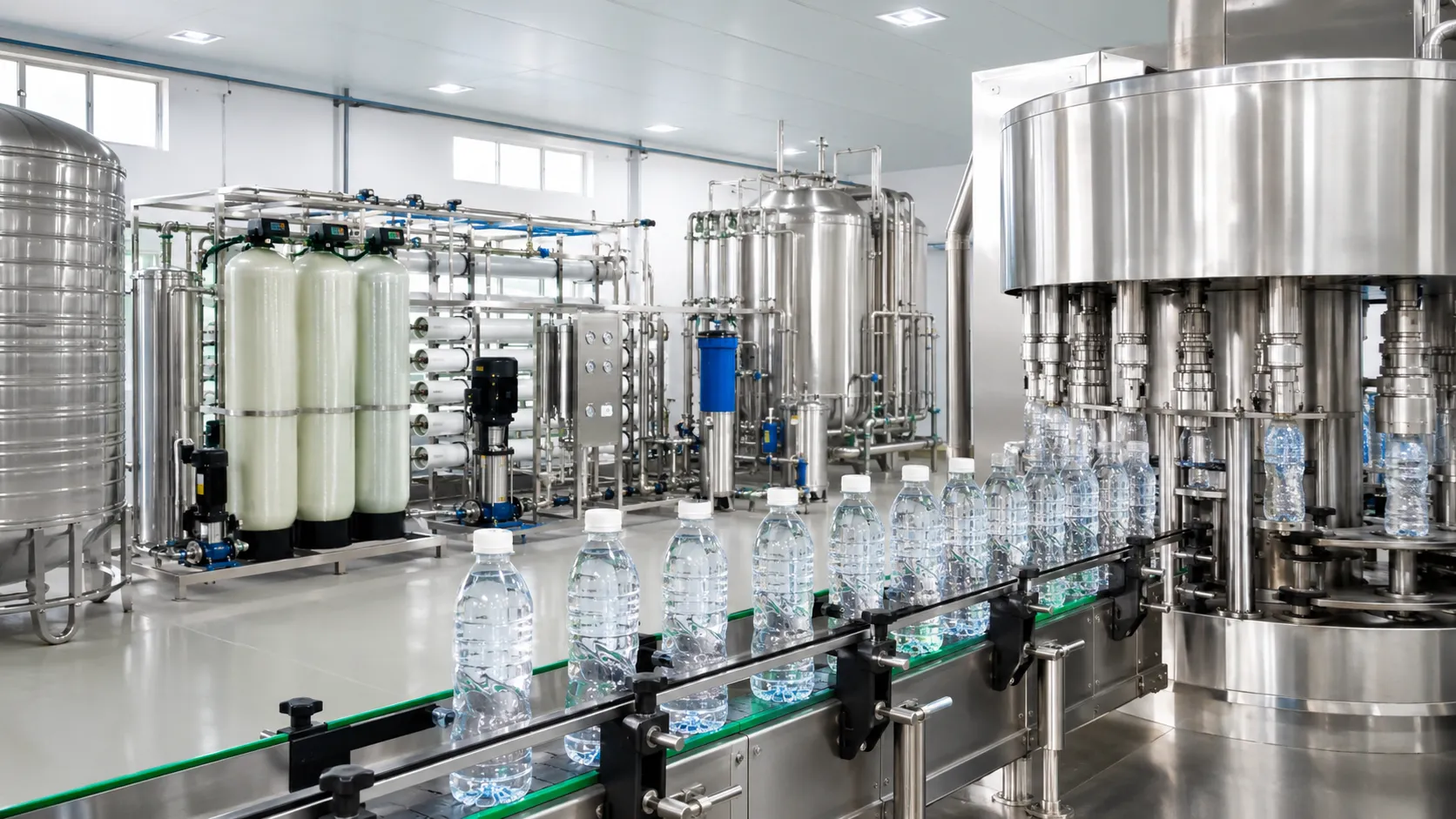
A complete setup typically includes:
- Raw water storage
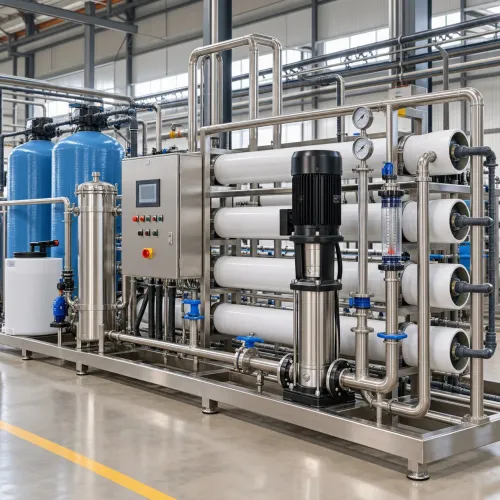
- Multi-stage filtration
- Reverse osmosis system
- UV and ozone disinfection
- Mineral dosing (where applicable)
- Bottle washing and rinsing
- Filling and capping machines
- Labelling and packaging units
- Quality testing laboratory
Selecting compatible equipment ensures smooth production and consistent product quality.
Conduct a Water Quality Assessment First
Every successful project begins with a thorough analysis of the available water source. Testing helps determine the treatment process required and prevents under- or over-designing the plant.
Important parameters include:
- Total Dissolved Solids (TDS)
- pH value
- Hardness
- Iron content
- Turbidity
- Microbiological contamination
- Chemical impurities
These results influence equipment selection and operating costs.
Choose the Right Production Capacity
Capacity planning should align with current demand while allowing room for future growth.
Factors to evaluate include:
- Expected daily production
- Distribution network
- Target customer segments
- Storage requirements
- Future market expansion
An appropriately sized plant improves productivity and avoids unnecessary investment.
Regulatory Compliance Is Essential
Packaged drinking water businesses must comply with applicable regulatory and quality standards. Meeting these requirements supports product safety and builds customer confidence.
Documentation, quality testing, and operational procedures should be established before commercial production begins.
Selecting the Right Equipment
Reliable equipment contributes to long-term efficiency and reduced maintenance.
Look for:
- Food-grade construction
- Automated controls
- Energy-efficient operation
- Easy cleaning and maintenance
- Consistent filling accuracy
- Durable components
- Expandable production lines
Investing in quality machinery often reduces lifecycle costs.
Importance of Plant Layout
An efficient layout supports smooth movement of raw materials, purified water, packaging materials, and finished products.
A well-designed facility should provide:
- Hygienic production zones
- Separate raw and finished product areas
- Adequate maintenance access
- Efficient workflow
- Proper drainage
- Safe storage facilities
Good planning helps improve operational efficiency and product quality.
Ongoing Maintenance and Quality Control
Regular servicing keeps equipment operating efficiently while maintaining water quality.
Routine activities include:
- Filter replacement
- Membrane cleaning
- Sanitization
- Calibration of filling equipment
- Water quality testing
- Preventive maintenance inspections
Consistent maintenance reduces downtime and improves production reliability.
Why Choosing the Right Project Partner Matters
Setting up a packaged drinking water plant involves engineering, installation, commissioning, and technical guidance. Working with an experienced provider helps simplify project execution and ensures that all systems function together efficiently.
Businesses often evaluate manufacturers based on:
- Project experience
- Customization capability
- Technical expertise
- Installation support
- After-sales service
- Spare parts availability
These factors contribute to long-term operational success.
Growing Opportunities in Nagpur
The demand for packaged drinking water continues to grow across residential, commercial, industrial, and institutional sectors in Nagpur. Businesses throughout Maharashtra are investing in professionally designed purification plants that support consistent production and regulatory compliance.
Entrepreneurs exploring new water treatment ventures frequently assess providers such as Orenus Water Age Technology, which offers complete plant solutions designed around customer requirements. Selecting an experienced project partner can help streamline implementation while supporting future business expansion.
Keywords