Replacing a jar filler quickly depends on interface details, not the machine name alone. You will be able to prepare the site, compare measured output, define the installation scope, and set an acceptance test that brings production back without avoidable fabrication or utility delays.
Key takeaways
- Survey conveyors, pipework, power, drainage, and controls before ordering.
- Reserve maintenance clearance and confirm utility capacity at the Nagpur site.
- Specify jar sizes, fill accuracy, speed, washdown, and hygienic contact parts.
- Put installation milestones, acceptance tests, training, and response times in writing.
Start with an interface survey before ordering
A replacement fails at interfaces, not at brochure speed. For a jar filling machine installation in nagpur, survey the existing line before ordering and record:
1. Measure the actual jar population: diameter, height, mouth diameter, neck finish, cap type, base shape, stiffness, and common deformation. A nominal 20-litre label does not guarantee compatible grippers, nozzles, indexing, or cap placement.
2. Confirm the line geometry: conveyor elevation and width, machine footprint, infeed and discharge direction, capper height, drain position, access clearances, and the location of the existing RO, UV, and ozone equipment. Photograph connection points, brackets, sensors, and the old machine’s nozzle and capper arrangement.
3. Request a written utility schedule stating electrical phase, voltage and connected load; compressed-air pressure, quality and consumption; treated-water pressure and flow; and drain capacity. A filler that fits the floor can still stop production if its air demand exceeds the compressor.
4. Define the acceptance test before purchase. Specify sustained jars-per-minute output at each actual jar size, fill-volume accuracy, cap placement, leakage, reject handling, changeover, alarm recovery, emergency-stop operation, wash-cycle performance, and restart after power or air loss.
Send these measurements, photographs, drawings, and utility figures to the supplier. The approved layout should show every interface, not just the filler footprint. This preparation makes jar filling machine installation in nagpur a replacement exercise rather than an on-site fabrication project.
Prepare the Nagpur site, utilities, and maintenance space
Clear the installation bay before the replacement arrives: remove the old machine, mark the new footprint, and leave access for unloading, levelling, connections, and service work. Check that the floor is sound, level, washable, and strong enough for the machine and full water load.
1. Confirm the footprint, conveyor elevation, inlet and drain positions, and required maintenance clearance against the approved layout. Keep space to remove pumps, filters, valves, filling heads, and electrical panels without dismantling nearby equipment.
2. Provide the utility points shown on the written schedule: the correct phase and voltage, an isolator and earthing, compressed air at the specified pressure with dry, filtered air, treated-water supply at the required flow and pressure, and a drain sized for wash discharge.
Do not connect a generic RO skid until current raw-water and treated-water results confirm treatment needs for hardness, iron, silica, turbidity, microbial load, and total dissolved solids.
3. Finish the drainage, floor slope, lighting, ventilation, and safe cable and pipe routes before delivery. A blocked drain turns washing into standing wastewater; poor lighting hides leaks and hygiene failures.
4. Photograph the existing conveyor, capper, RO/UV/ozone equipment, junction points, and nearby obstacles. Send those images and measured dimensions to a jar filling machine supplier in Nagpur before dispatch.
5. Reserve a clean area for jars, caps, tools, rejected containers, and maintenance spares. Keep packaging and construction dust away from the final-rinse and filling zones.
Specify jar compatibility, filling performance, and hygiene
A 20-litre label proves almost nothing about jar compatibility. Measure the actual reusable population: mouth diameter, neck finish, height, base shape, stiffness, deformation, and cap type. Send the supplier drawings, photographs, and representative jars before approving the replacement.
| Specification | Evidence to demand | Failure prevented |
|---|---|---|
| Jar compatibility | Tested diameter, height, neck, cap, and base ranges | Tipping, nozzle collision, cap misplacement, and jams |
| Production rate | Sustained jars-per-minute result at your jar size and recipe | A headline speed that collapses on the real line |
| Line and utilities | Written schedule for conveyor height, footprint, power, air pressure and consumption, treated-water flow and pressure, drains, and RO/UV/ozone connections | Fabrication delays and utility-related stoppages |
| Hygiene | Wash sequence, chemical concentration and contact time, final-rinse-water quality, and clean-jar protection before filling | Biofilm, detergent residue, foreign matter, or contaminated rinse water entering production |
For an automatic jar filling machine in nagpur, judge capacity by the slowest linked operation, not the filler nameplate. Include empty-jar loading, washing, filling, capping, leak checking, labeling, dispatch, sanitation, and changeover in the calculation.
Write these acceptance checks into the order:
- Sustained output at the agreed jar size and fill recipe
- Fill-volume or net-content accuracy
- Cap placement, leakage, reject handling, and changeover
- Alarm recovery, emergency stop, and restart after power or compressed-air interruption
Use a staged installation and commissioning sequence
A jar filling machine installation in Nagpur should run as a controlled changeover, not an improvised delivery. Keep the old line operating until the replacement’s footprint, conveyor height, drain, electrical points, compressed-air line, treated-water inlet, and RO/UV/ozone connections are checked against the survey.
1. Unload during the agreed shutdown window. Use the machine’s lifting points, protect stainless-steel panels and nozzles, and inspect for transit damage before removing the old filler. Photograph the existing conveyor, capper, pipes, cables, and anchor positions before disconnection.
2. Position the replacement on its marked footprint. Align the infeed and discharge conveyors, set the correct working height, level the frame, and leave access for cleaning, drain inspection, filter changes, and pump maintenance. A filler that sits correctly but blocks the capper or service panel will extend every future shutdown.
3. Connect utilities only after mechanical alignment. Match the written utility schedule for voltage and phase, compressed-air pressure and consumption, treated-water flow and pressure, drain capacity, and sanitation connections. Label every cable, hose, and pipe before energising the machine.
4. Test without product, then with water and jars. Check sensors, pumps, valves, emergency stops, alarms, wash cycles, leak drainage, cap placement, fill volume, reject handling, and restart after power or air interruption. Run the agreed 20-litre and other production jars at sustained target speed, not a brief headline rate.
5. Hand over after the acceptance checks pass. Train operators on changeover, cleaning, alarm recovery, and safe shutdown; give them PLC/HMI backups, schematics, maintenance intervals, and restart spares before releasing the line for production.
Choose the supplier through a written replacement contract
Require a signed replacement contract before you pay a jar filling machine supplier in nagpur. The contract must identify the machine configuration, interface dimensions, utility loads, delivery scope, warranty response, spare-parts availability, installation labour, training, and the acceptance test that releases final payment.
| Item | Require in writing before ordering | Check before acceptance |
|---|---|---|
| Utility schedule | Connected load, phase, voltage, air pressure and consumption, treated-water flow and pressure, drain capacity, and output at your jar size and filling recipe | Run the machine at those utilities and record sustained jars per minute |
| Line interfaces | Jar diameter and height, neck and cap format, conveyor elevation, footprint, drain and inlet positions, and RO/UV/ozone connection points | Confirm transfer into the filler and capper without fabrication, tipping, or jams |
| Washing and hygiene | Wash sequence, chemical concentration and contact time, final-rinse-water quality, and clean-jar protection before filling | Inspect wash performance, rinse quality, fill hygiene, and reject handling |
| Acceptance test | Fill volume or net content, cap placement, leakage, changeover, alarms, emergency stop, and restart after power or air loss | Sign a dated result sheet with pass limits and corrective deadlines |
| Service cover | Warranty duration, response time, commissioning responsibility, manuals, drawings, and critical spares | Receive documents, training, and a named escalation contact |
Do not accept a headline speed alone; loading, washing, filling, capping, leak checking, sanitation, and changeover set usable output. Orenus Water age technology can be evaluated on the same written evidence rather than a catalogue claim.
If you plan to buy jar filling machine in nagpur, reject any quotation that leaves these items as verbal promises. A signed acceptance record protects your production schedule when the replacement is installed.
Related products
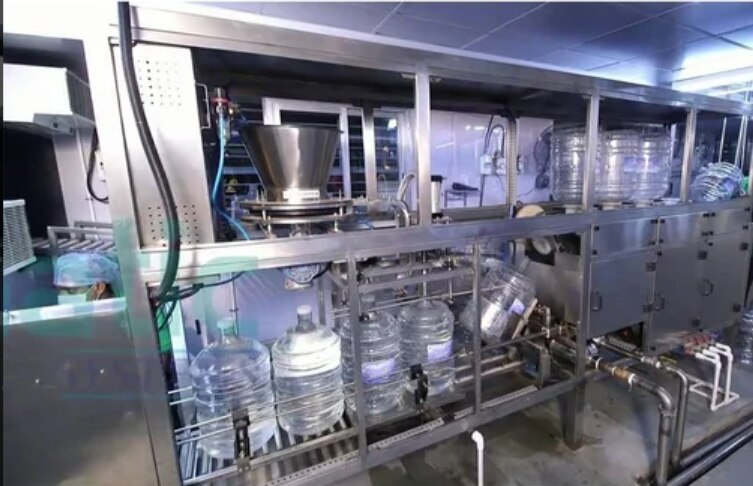 | Mineral Water Plant Application Jar Filling Machine Type Automatic Filling Material Liquid Driven Type Electric Country of Origin Made in India Minimum order quantity: 5... View product → |
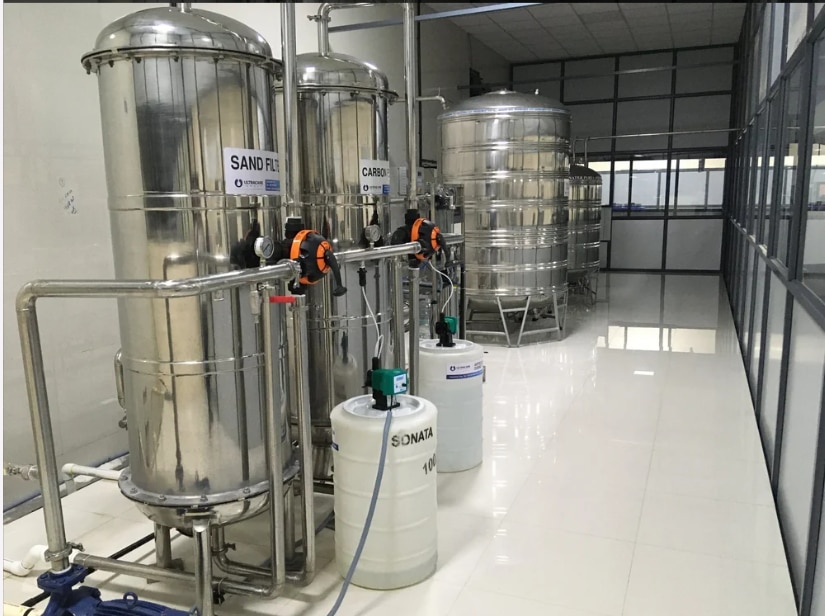 | Mineral Water Plant Filling Capacity 100 bottle/min Water Purification Process RO Automation Grade Automatic Water Filling Method Bottle Installation/Civil Work... View product → |
Frequently asked questions
What should you survey before ordering a replacement jar filling machine?
Record conveyor height and width, jar dimensions, transfer points, inlet and outlet pipe sizes, electrical supply, controls, drainage, and available floor space.
How should you prepare a Nagpur site for installation?
Confirm power, treated-water supply, compressed air, drainage, ventilation, floor loading, access routes, and maintenance clearance before delivery.
Which jar filling machine specifications should you compare?
Compare compatible jar sizes, filling range, bottles or jars per hour, fill accuracy, changeover time, product-contact materials, cleaning method, and guarding.
What happens during staged installation and commissioning?
Install and align the machine, connect utilities, test dry running, run water trials, verify fill performance and hygiene, train operators, and document acceptance.
What should a replacement contract with a supplier include?
Specify the machine configuration, site responsibilities, delivery date, installation scope, commissioning tests, warranty, spare parts, training, response times, and payment milestones.
Keywords