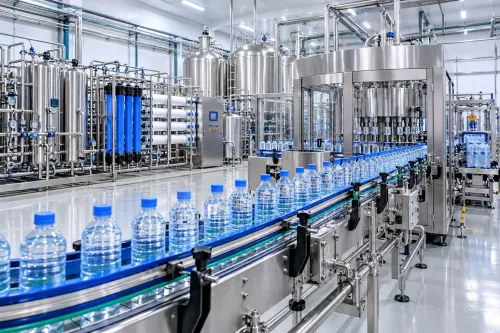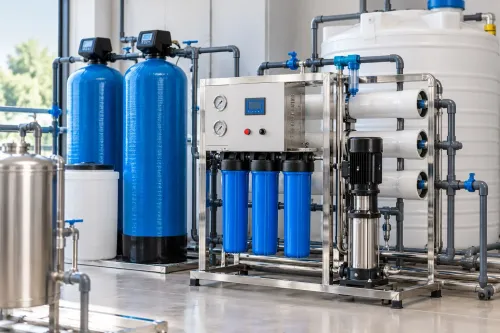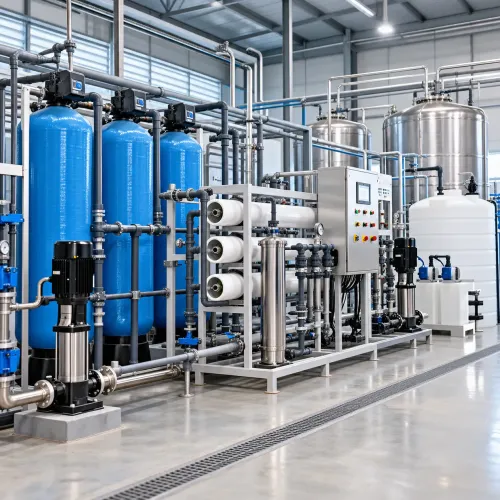
An RO chiller plant combines purified water production with controlled cooling, making it useful wherever clean, chilled water must be available throughout the working day. These systems are commonly considered for factories, offices, hospitals, educational campuses, canteens, public facilities, and high-footfall commercial premises.
For businesses in Nagpur, Maharashtra, the need for reliable cooling becomes especially important during warmer months. Selecting an appropriate RO Chiller Plant Manufacturer begins with understanding how purification demand, cooling load, storage capacity, and daily consumption affect system performance.
What Does an RO Chiller Plant Do?
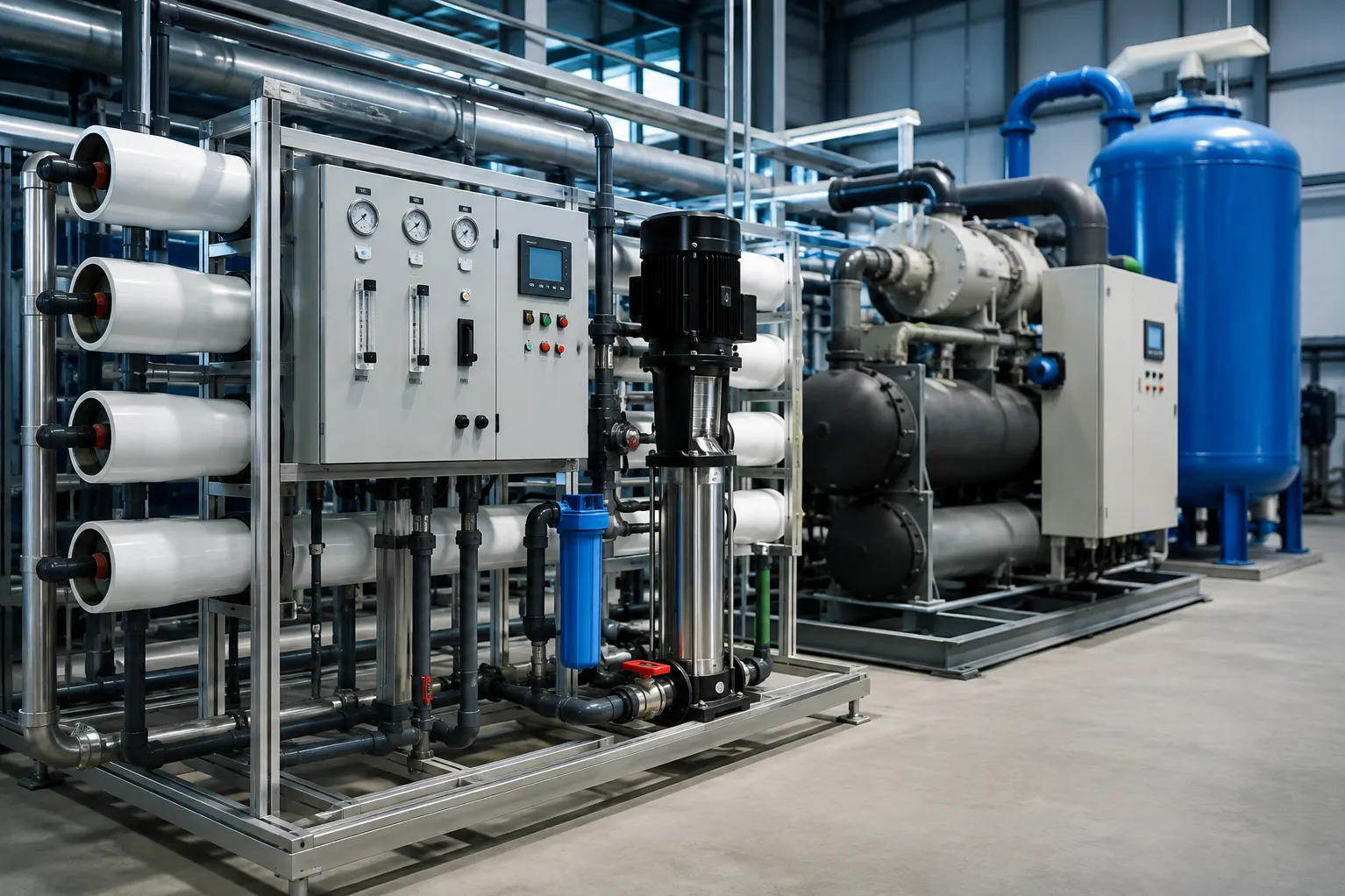
The RO section removes dissolved impurities and other contaminants from the incoming water according to the selected treatment configuration. The chiller section then lowers the temperature of the treated water before it reaches the dispensing or storage arrangement.
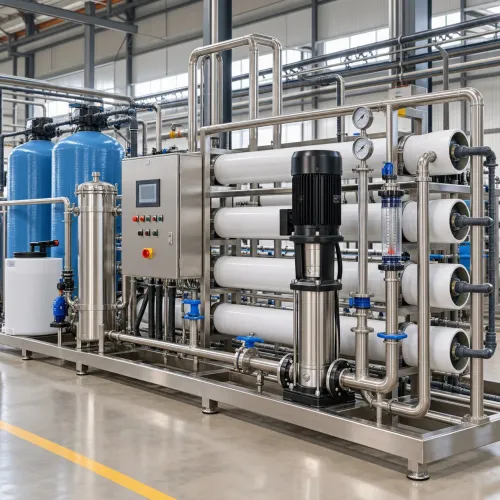
A typical installation may include:
- Raw-water storage
- Pretreatment equipment
- Reverse osmosis membranes
- Treated-water storage
- Cooling equipment
- Insulated piping
- Dispensing points
- Electrical controls
- Monitoring instruments
The exact configuration depends on the source-water quality and the number of people or processes the system must serve.
Why Water Quality Must Be Tested First
Two sites with similar consumption can require different treatment systems. Borewell water, municipal water, tanker water, and mixed sources may contain different levels of hardness, dissolved solids, iron, turbidity, or other impurities.
A water analysis helps determine:
- Appropriate pretreatment
- Membrane selection
- Required recovery rate
- Antiscalant or softening requirements
- Cleaning frequency
- Expected consumable use
- Suitability of the treated water for its intended purpose
Choosing equipment without testing the source water can lead to frequent membrane scaling, reduced output, inconsistent quality, and higher maintenance costs.
Cooling Capacity and RO Capacity Are Different
An important planning point is that water purification capacity and cooling capacity are not interchangeable. An RO system may produce enough water for the day but still fail to supply chilled water during peak periods if the chiller or insulated storage is undersized.
Capacity planning should consider:
- Total daily water consumption
- Peak hourly demand
- Required outlet temperature
- Incoming water temperature
- Number of dispensing points
- Expected ambient conditions
- Operating hours
- Future increases in occupancy
This is particularly relevant in Nagpur, where high ambient temperatures can increase the workload on cooling equipment.
Installation Conditions Affect Performance
Even properly selected equipment can underperform if the installation area is poorly planned. The plant needs adequate ventilation, drainage, electrical protection, and service access.
Long or uninsulated pipelines may allow treated water to gain heat before reaching the user. Inadequate airflow around the refrigeration unit can also reduce cooling efficiency. Equipment placement should therefore be reviewed before manufacturing or finalising the layout.
Routine Maintenance Protects Output
An RO chiller plant requires scheduled attention rather than maintenance only after a breakdown. Filters, membranes, storage tanks, cooling coils, electrical components, and dispensing lines all influence water quality and operating reliability.
Routine tasks may include:
- Checking inlet and outlet pressure
- Monitoring treated-water quality
- Replacing cartridge filters
- Cleaning tanks and dispensing points
- Inspecting for leaks
- Checking refrigeration performance
- Reviewing electrical connections
- Recording output and temperature
A simple maintenance log can help facility teams identify declining performance before it causes extended downtime.
Planning a Suitable System
A capable manufacturer should study the application rather than recommend equipment based only on a standard capacity label. Orenus Water Age Technology works with commercial and industrial buyers in Nagpur to develop water-treatment and cooling arrangements according to source water, consumption patterns, and installation conditions.
The most effective RO chiller plant is not necessarily the largest model available. It is the system that can consistently deliver the required quantity and temperature of treated water while remaining accessible for cleaning, servicing, and future expansion.
Keywords