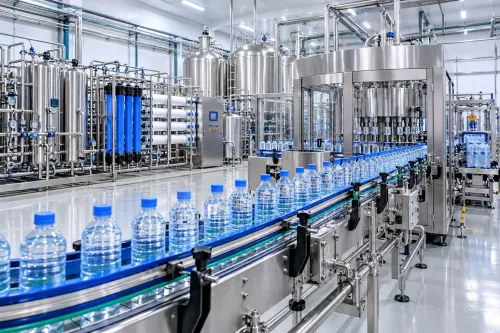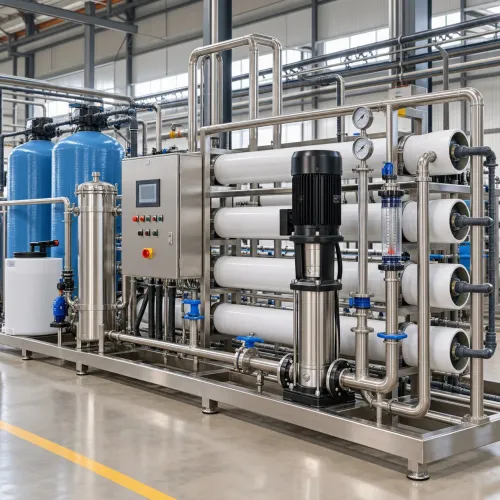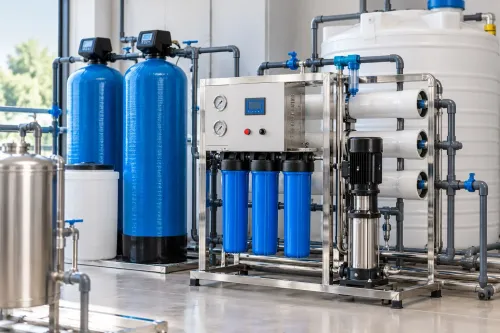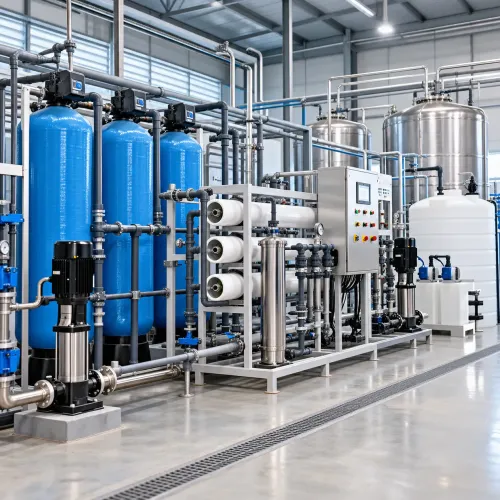
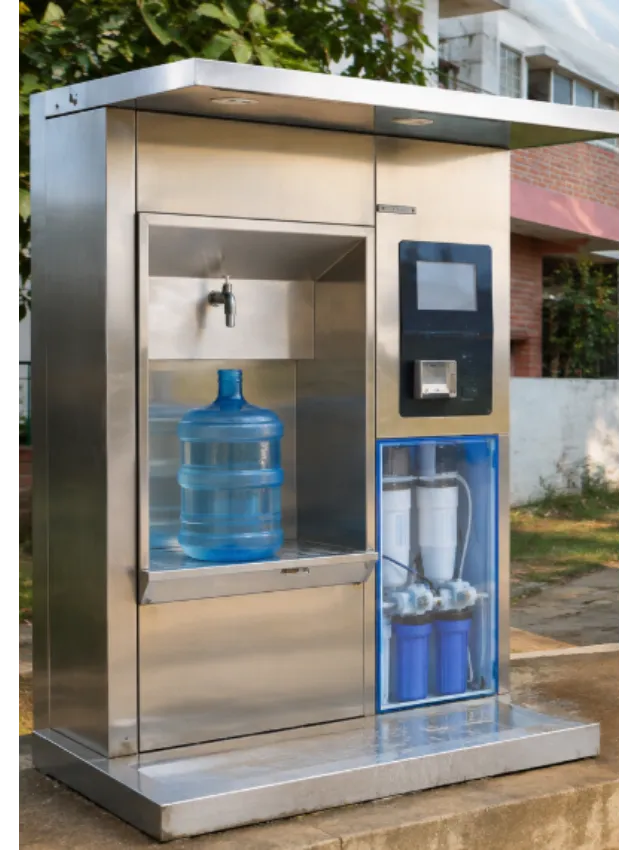
A water ATM is an automated dispensing system that allows users to collect a measured quantity of treated drinking water. It can support controlled water distribution in residential communities, villages, institutions, industrial areas, transport locations, and other places where users need convenient access to purified water.
A Water ATM Plant Manufacturer may integrate treatment, storage, dispensing, payment, and monitoring components into one installation. For projects in Nagpur and surrounding areas of Maharashtra, successful planning depends on more than selecting a dispensing cabinet.
The Basic Water ATM Process
Water first passes through a treatment system selected according to the source-water characteristics. The treated water is stored in a suitable tank and supplied to the dispensing unit.
Depending on the project, users may access water through:
- Coin-based dispensing
- Prepaid cards
- Rechargeable smart cards
- QR-enabled payment
- Free dispensing with quantity control
- Operator-managed distribution
The system measures the quantity released during each transaction. This helps reduce uncontrolled usage and creates a structured distribution process.
Treatment Comes Before Automation
The “ATM” portion controls dispensing, but it does not independently determine whether the water is suitable for drinking. Water safety depends on the complete treatment process, hygienic storage, regular testing, and disciplined maintenance.
A project assessment should begin with source-water testing for relevant parameters. The findings may indicate the need for sediment filtration, activated carbon treatment, softening, reverse osmosis, disinfection, or another treatment stage.
The design must also consider seasonal changes. Borewell water quality, for example, may vary over time, while tanker water may come from changing sources.
Where Water ATM Plants Can Be Used
Common applications include:
- Gram panchayat water projects
- Residential communities
- Industrial workforce facilities
- Schools and colleges
- Hospitals and public institutions
- Railway or bus-adjacent areas
- Markets and commercial clusters
- Community service initiatives
- Entrepreneur-operated water points
Each environment creates different requirements. A community project may prioritise simple operation and remote monitoring, while a commercial operator may need transaction records, multiple dispensing volumes, and dependable daily throughput.
Capacity Should Reflect Real Demand
Selecting a plant only by its hourly rating can be misleading. A water ATM project must balance production, storage, and dispensing.
Useful planning questions include:
- How many users are expected each day?
- What quantity will each person normally collect?
- When will peak demand occur?
- How many hours will the treatment plant operate?
- Is raw water continuously available?
- How much treated-water storage is required?
- Will the project need one or several dispensing points?
- Is additional capacity expected in the future?
Adequate storage can help manage short-term peaks, but oversized tanks may create hygiene concerns if water remains stored for too long.
Hygiene Requires Operational Discipline
The plant should be designed so that tanks, pipelines, nozzles, and filters can be cleaned or replaced without unnecessary difficulty. The dispensing area should also have proper drainage to prevent stagnant water.
Operators should follow a documented schedule for:
- Tank sanitation
- Filter replacement
- Membrane cleaning
- Water-quality testing
- Dispensing-nozzle cleaning
- Leakage inspection
- Transaction-system checks
- Electrical and pump inspection
Users should receive water from a clean dispensing point that protects the outlet from unnecessary contact and contamination.
Technology Can Improve Oversight
Modern installations may include level indicators, flow measurement, fault alerts, transaction reporting, or remote monitoring. These features can improve accountability, but they do not replace local inspection and maintenance.
A water ATM plant works best when treatment engineering and everyday operations are planned together. Orenus Water Age Technology develops water-treatment equipment for projects in Nagpur where capacity, local water conditions, dispensing requirements, and maintainability must be considered as one system.
With proper assessment and management, a water ATM can provide an organised and accessible method of distributing treated water to communities or commercial users.
Keywords