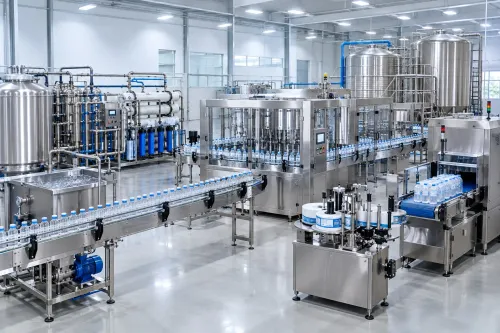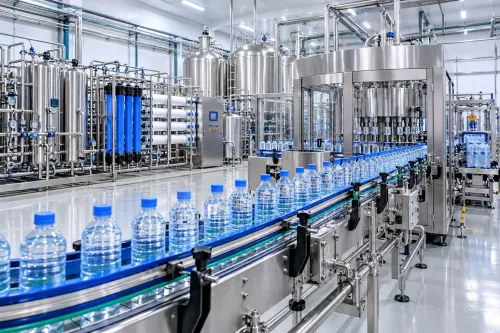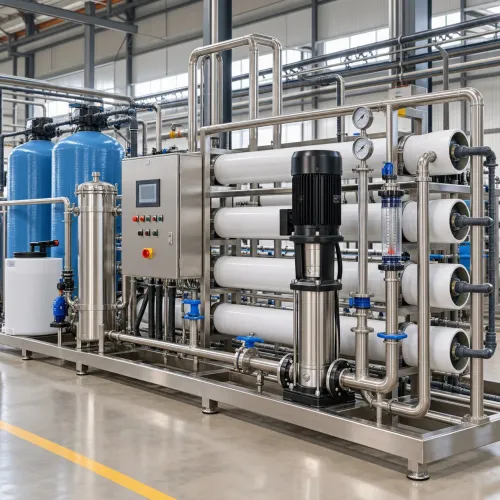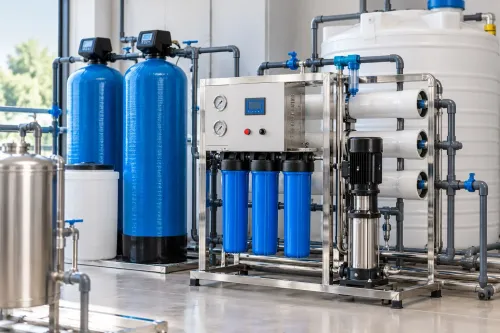
Investing in a High-Capacity RO Water Plant requires careful planning. Industries, commercial establishments, packaged drinking water businesses, hospitals, educational institutions, and infrastructure projects all have unique water purification needs. Selecting the right plant involves more than choosing a larger capacity it requires understanding water quality, operational requirements, future expansion, and maintenance expectations.
As industrial development continues across Nagpur and Maharashtra, organizations are increasingly investing in high-capacity purification systems that provide reliable performance while controlling operating costs.
What Is a High-Capacity RO Water Plant?
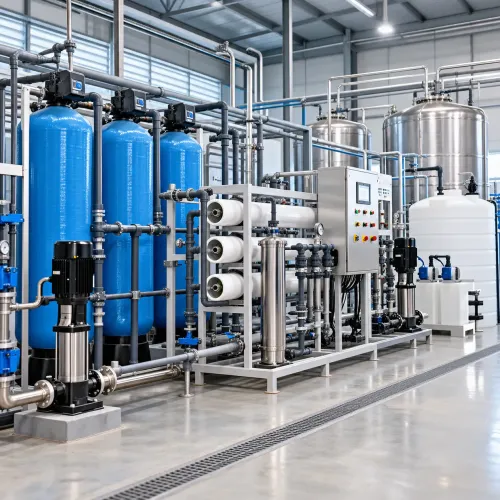
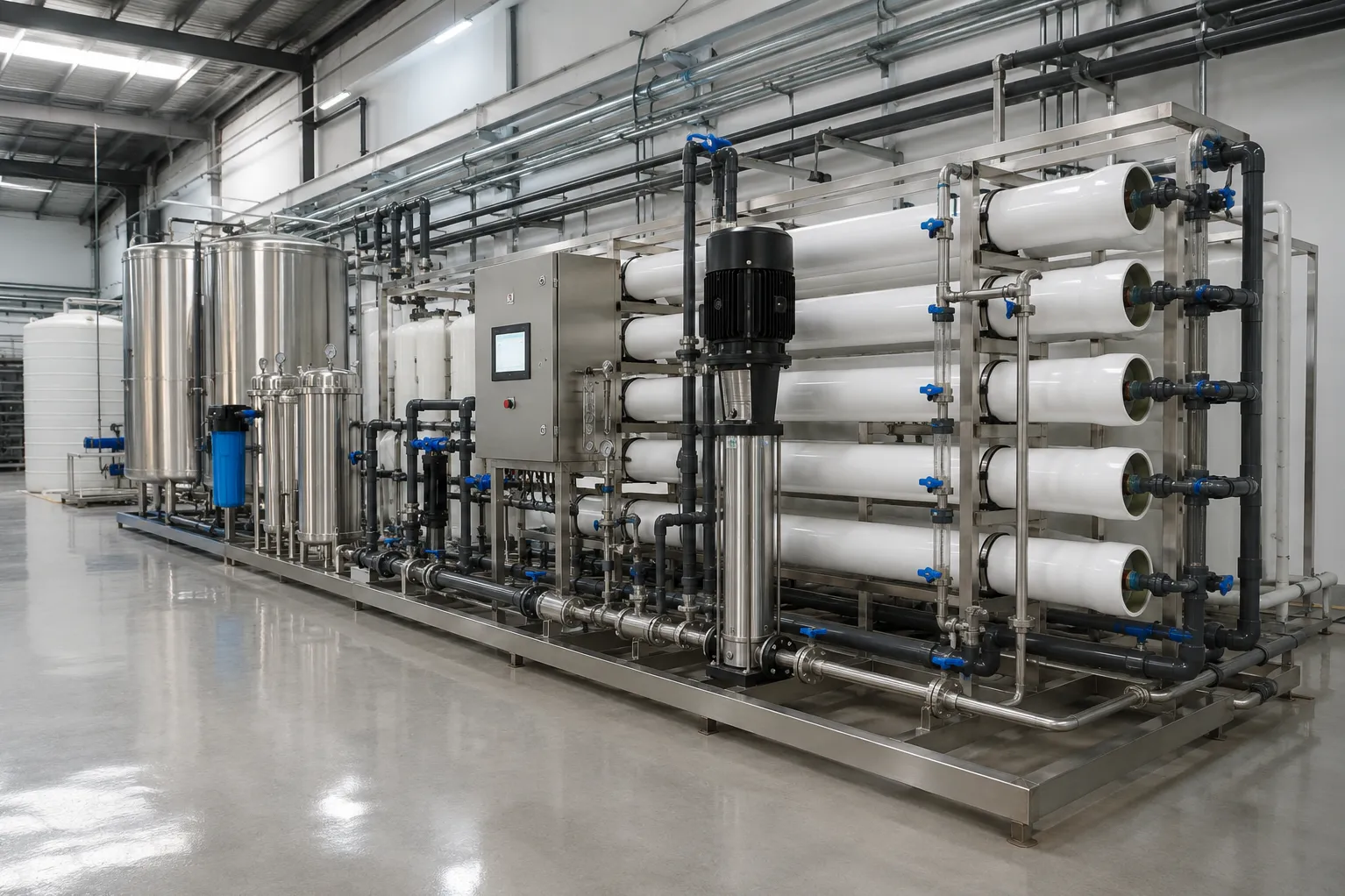
A high-capacity RO plant is designed to purify large volumes of water using reverse osmosis technology. These systems remove dissolved salts, chemicals, bacteria, viruses, and other impurities to produce water suitable for industrial processes or commercial consumption.
Depending on operational needs, plants may produce thousands of liters of purified water every hour.
Businesses That Commonly Use High-Capacity RO Plants
Large-scale purification systems are widely used in:
- Manufacturing industries
- Food and beverage processing
- Pharmaceutical companies
- Hospitals
- Hotels and resorts
- Educational institutions
- Commercial complexes
- Bottled water manufacturers
- Industrial parks
- Government infrastructure projects
Each application requires different levels of purification and production capacity.
Determining the Right Plant Capacity
One of the most common purchasing mistakes is selecting capacity based only on current demand.
Instead, consider:
- Average daily water usage
- Peak operational hours
- Seasonal demand fluctuations
- Future business expansion
- Water recovery targets
- Storage capacity
Planning for growth reduces the need for expensive upgrades later.
Features to Look for Before Buying
A reliable high-capacity RO plant should include several essential features.
Efficient Pre-Treatment
Proper filtration before reverse osmosis protects membranes and improves system performance.
High-Quality Membranes
Premium membranes increase purification efficiency while extending operational life.
Automated Control System
Automation simplifies monitoring, fault detection, and daily operation.
Energy-Efficient Pumps
Modern pumps help reduce electricity consumption without affecting water production.
Durable Construction
Industrial-grade materials improve resistance to corrosion and continuous usage.
Questions Buyers Should Ask
Before purchasing a high-capacity RO system, ask:
- Has the raw water been tested?
- What recovery rate is expected?
- How often will membranes require cleaning?
- Are spare parts readily available?
- Can the plant be upgraded?
- What maintenance schedule is recommended?
- Is operator training included?
These questions provide better insight into long-term ownership costs.
Operating Cost Considerations
The purchase price is only one part of the investment.
Businesses should also evaluate:
- Electricity consumption
- Membrane replacement costs
- Filter replacement frequency
- Chemical consumption
- Water recovery efficiency
- Annual maintenance requirements
A system with lower operating expenses often provides better long-term value than a lower initial purchase price.
Common Buying Mistakes
Organizations should avoid:
- Ignoring water quality analysis
- Choosing equipment solely based on price
- Underestimating future capacity needs
- Selecting manufacturers without service support
- Overlooking preventive maintenance requirements
Making informed purchasing decisions helps improve operational reliability and reduce downtime.
Importance of After-Sales Support
Large purification systems require periodic servicing to maintain efficiency. Reliable technical support ensures faster troubleshooting, timely spare parts availability, and regular preventive maintenance.
Working with experienced manufacturers helps businesses maximize equipment life while maintaining consistent water quality.
Demand for Large RO Plants in Nagpur
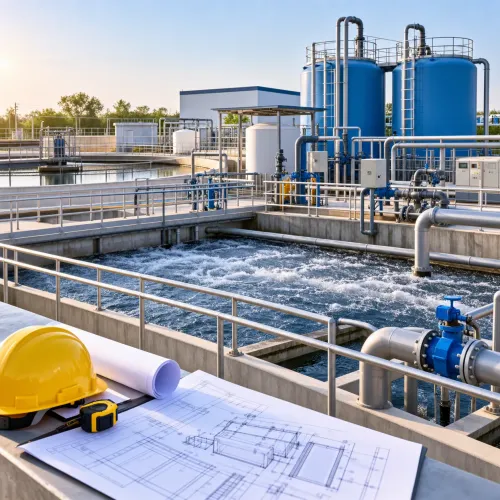
Industrial expansion, commercial development, and growing infrastructure projects have increased the need for dependable high-capacity RO systems throughout Nagpur. Manufacturing facilities, hospitals, educational institutions, and commercial developments across Maharashtra are investing in advanced purification technologies to meet rising water quality expectations.
Businesses evaluating purification systems often assess engineering expertise, customization capability, and technical support before making their decision. Providers such as Orenus Water Age Technology design high-capacity RO plants tailored to different industries and water treatment requirements, helping organizations establish dependable purification infrastructure for long-term operations.
Keywords