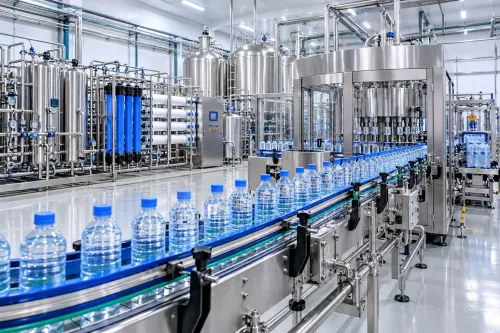
Installing a Reverse Osmosis Plant is a significant investment for industries, commercial establishments, institutions, and entrepreneurs looking to ensure a dependable supply of purified water. While selecting the right equipment is important, proper installation is equally critical. A well-installed RO plant operates efficiently, consumes less energy, requires fewer repairs, and delivers consistent water quality over many years.
Businesses in Nagpur and throughout Maharashtra are increasingly adopting advanced RO systems to meet growing water quality demands while complying with industry standards. Understanding the installation process helps organizations make informed decisions and avoid costly mistakes.
Why Proper Installation Matters
Even a high-quality RO system may not perform as expected if it is installed incorrectly. Factors such as water pressure, piping design, electrical connections, and drainage directly influence purification efficiency.
Professional installation helps ensure:
- Stable water flow
- Consistent purification performance
- Lower operating costs
- Longer membrane life
- Easier maintenance
- Reduced downtime
Careful planning before installation can prevent future operational issues.
Assessing Water Quality Before Installation
Every successful RO project begins with a detailed water analysis. The quality of raw water determines the type of treatment required before the reverse osmosis process.
A water test typically evaluates:
- Total Dissolved Solids (TDS)
- Hardness
- pH level
- Iron content
- Silica
- Chloride
- Bacterial contamination
- Suspended particles
This information allows engineers to recommend suitable pre-treatment equipment and membrane selection.
Selecting the Right Plant Capacity
Installing an oversized or undersized plant can affect operational efficiency. Capacity should be based on:
- Daily water consumption
- Peak usage hours
- Future production expansion
- Recovery requirements
- Storage capacity
Planning for future growth often proves more economical than replacing the system within a few years.
Preparing the Installation Site
The installation area should provide adequate space for equipment operation and maintenance.
Important site requirements include:
- Level flooring
- Proper ventilation
- Reliable power supply
- Drainage facilities
- Easy access for servicing
- Sufficient lighting
- Protection from excessive heat and moisture
A well-planned installation area improves safety and simplifies routine maintenance.
Essential Components of an RO Plant
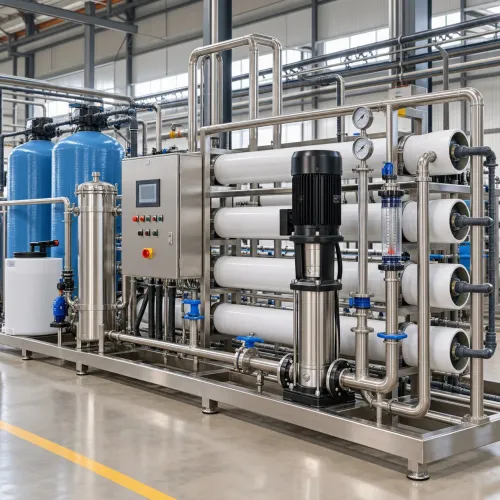
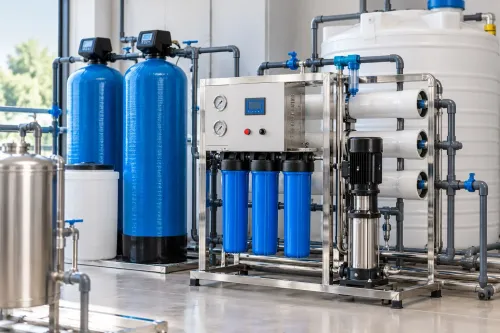
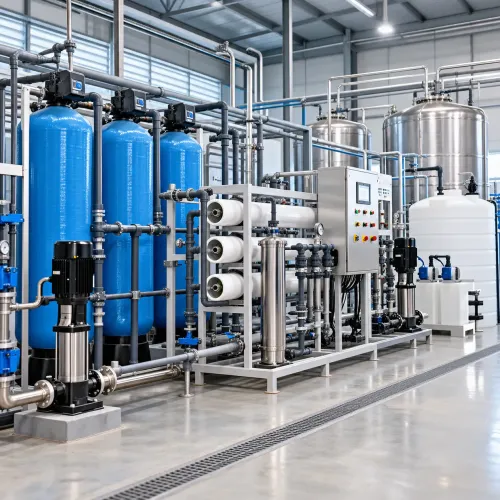
A complete reverse osmosis installation generally includes:
- Raw water storage tank
- Feed pump
- Multi-grade sand filter
- Activated carbon filter
- Water softener (if required)
- Cartridge filters
- High-pressure pump
- RO membranes
- Control panel
- Product water storage tank
Depending on the application, additional treatment stages such as UV or ozone disinfection may also be incorporated.
Common Installation Mistakes to Avoid
Several issues can reduce system performance if overlooked during installation.
These include:
- Ignoring water testing
- Improper pipe sizing
- Incorrect pressure settings
- Inadequate pre-treatment
- Poor electrical connections
- Insufficient maintenance access
- Using low-quality components
Working with experienced installation professionals helps minimize these risks.
Commissioning and Performance Testing
Once installation is complete, the system should undergo thorough testing before regular operation.
Engineers usually verify:
- Water recovery rate
- Product water quality
- Operating pressure
- Flow rate
- Membrane performance
- Leak detection
- Control system functionality
Successful commissioning ensures the plant performs according to design specifications.
Importance of Routine Maintenance
Proper maintenance protects the investment and improves operational reliability.
Recommended maintenance activities include:
- Replacing filters on schedule
- Cleaning membranes
- Inspecting pumps
- Monitoring TDS levels
- Checking pressure gauges
- Sanitizing storage tanks
- Recording operational data
Preventive maintenance reduces unexpected breakdowns and helps maintain water quality.
Growing Demand for RO Plants in Nagpur
Industrial growth across Nagpur has increased the need for dependable water treatment systems in sectors such as manufacturing, healthcare, hospitality, food processing, education, and commercial infrastructure. As businesses expand, professionally installed RO plants play a key role in supporting efficient operations and sustainable water management.
Organizations evaluating water treatment options often consider providers like Orenus Water Age Technology, which offers customized installation services based on water quality, capacity requirements, and application needs. Choosing an experienced installation partner helps ensure that the system continues delivering reliable performance for years to come.
Keywords